We usually talk about our projects in terms of MW and MWh. Today, we want to put those numbers into real-world context.
Our two projected stand-alone BESS projects in Latvia together amount to 30MW / 60MWh. Here is what that actually means for society.
The evening peak is when the grid comes under the most stress, as kettles, ovens, lights, and EV chargers all run at once. A 30MW battery system can cover the consumption of around 20,000 average European households during a typical two-hour peak. Roughly the size of a small town.
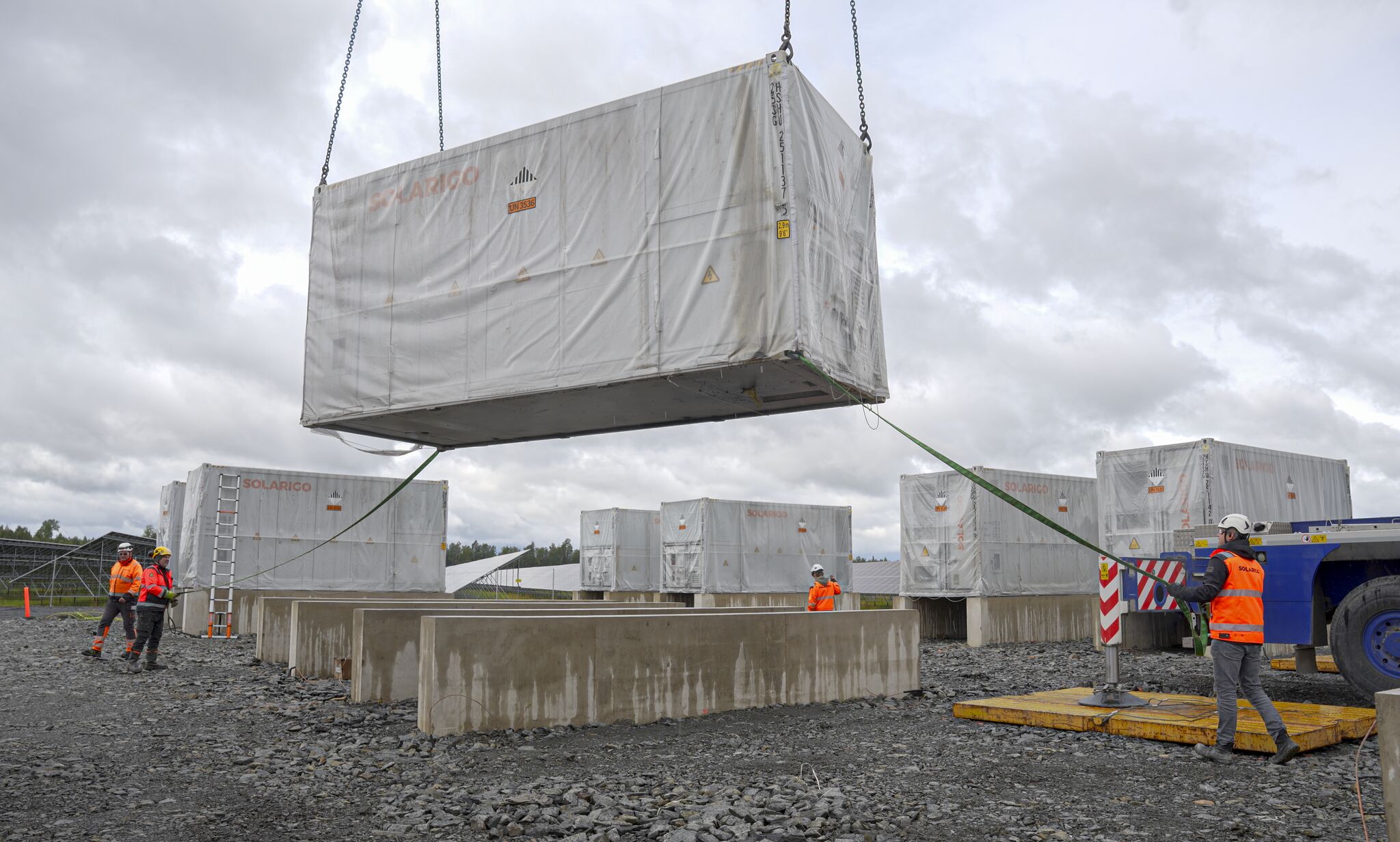
When wind and solar outpace demand, clean power gets curtailed or wasted. A 60MWh battery is the equivalent of around 800-1000 electric car batteries stacked together, absorbs that surplus and releases it back when demand peaks. That is how stand-alone storage puts more renewables to work.
By reducing reliance on fossil-fuel-based power during peak demand, our Latvia projects can avoid an estimated 5,000 to 8,000 tonnes of CO₂ per year, depending on dispatch and grid mix. Equivalent to taking up to 4,000 cars off the road annually.
This is the side of battery storage that does not always show up in the headline numbers. It is also why this work is directly aligned with the UN Sustainable Development Goals on clean energy, resilient infrastructure, and climate action, something we take seriously as we build long-term infrastructure in the Baltics.

.svg)